Rhinoplasty (Nose Job) in Tampa - Subtle, Natural Refinement
Improve the shape of your nose while protecting what matters most: healthy breathing. Dr. Rayess takes a subtle approach that preserves your natural structure whenever possible and keeps your features in harmony.
Dr. Rayess is double board-certified and focused on facial and nasal surgery (aesthetics + breathing).
Double board-certified facial plastic surgeon
Natural-looking changes that preserve ethnicity and facial balance
Breathing-first planning when functional work is needed
Clear recovery plan and close follow-up
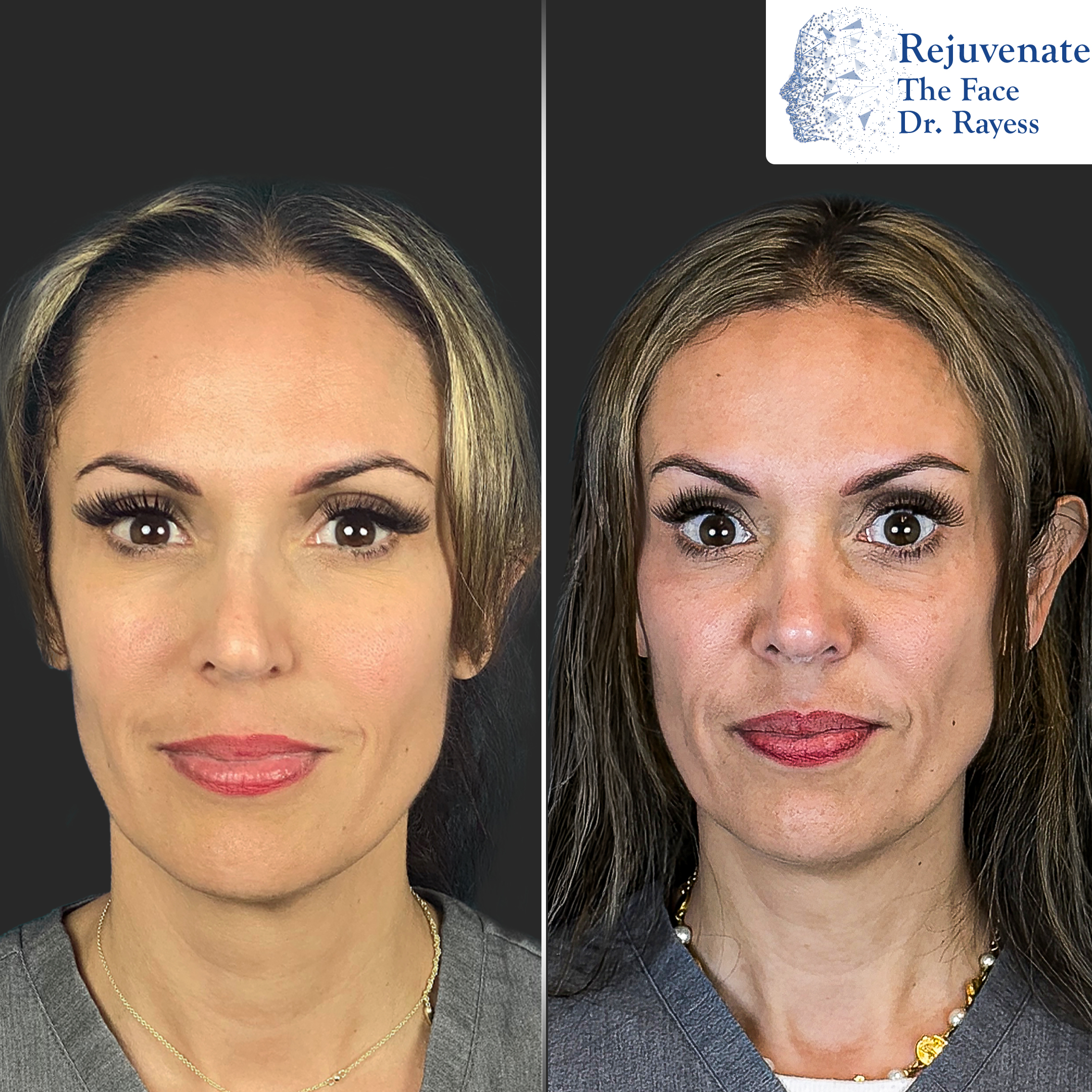
A natural nose that still works well.
Double board-certified facial plastic surgeon
Subtle approach
Breathing-first mindset
“Smooth recovery and I love how natural it looks.”
What rhinoplasty can improve
Rhinoplasty is a surgical procedure to improve the appearance of the nose. People commonly want to address a large nose, a hump, a droopy tip, or nostril shape. Because the nose is three-dimensional and changes are made in millimeters, careful planning matters.
Hump reduction and profile refinement
Tip rotation/refinement (droopy or bulbous tip)
Nostril shape/width adjustments
Straightening after trauma or natural asymmetry
Revision rhinoplasty planning when prior surgery left concerns
Want to know what is realistic for your nose and skin thickness?
Beauty and breathing belong together
If you have difficulty breathing, you may need a septo-rhinoplasty where work is done to support airflow. As a double board-certified facial plastic surgeon, Dr. Rayess aims to improve appearance while ensuring nasal airflow is never compromised.
Evaluate septum and internal support structures
Protect the nasal airway while refining shape
Clear discussion of what can be achieved based on anatomy
Do you only do cosmetic changes?
No. The nose is a breathing organ. Your plan may include functional work when needed.
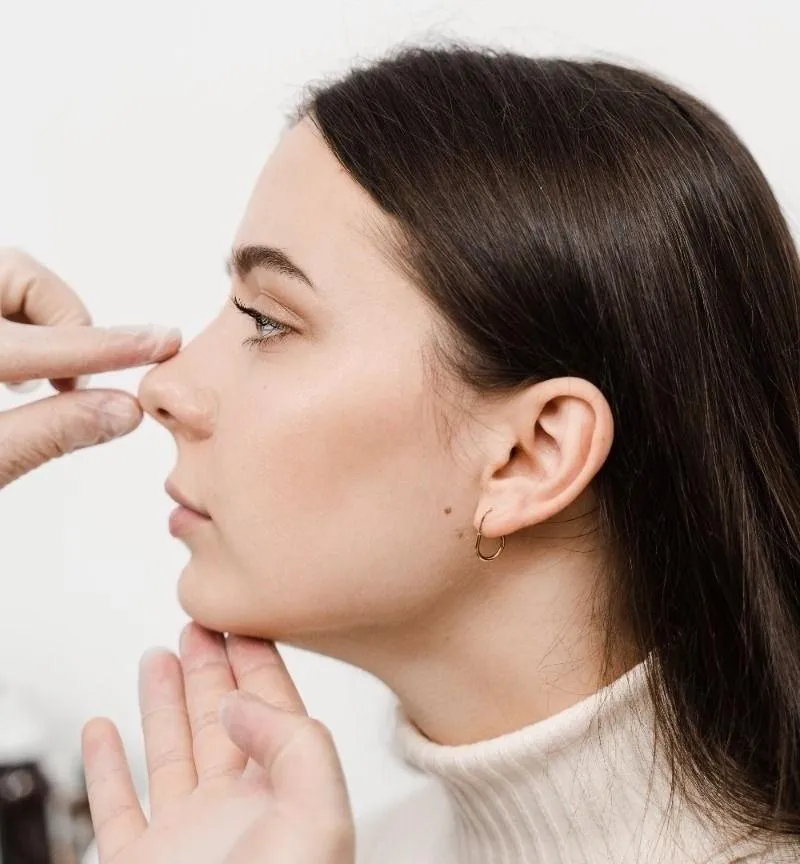
What happens at your rhinoplasty consultation
Led by Dr. Rayess, double board-certified in facial plastic surgery.
Photos from multiple angles
We document your nose and face to plan changes thoughtfully.
Your top 3 concerns
Tell Dr. Rayess the three things you want improved.
Realistic planning
We discuss what is achievable based on your anatomy and skin thickness.
Procedure + recovery
Clear explanation of approach, risks, benefits, and timeline.
If you are ready for clarity, request a consultation and tell us your top concern.
Rhinoplasty recovery: what to expect
Dr. Rayess typically sees you to ensure healing is on track.
Expect some blood-tinged dripping; this is common for 2-3 days.
Cast on the nasal bones and splints inside the nose.
Cast and splints are typically removed. Breathing is often difficult while splints are in place.
You will receive detailed instructions and follow-up so you are not guessing during recovery.
Open vs closed rhinoplasty
Dr. Rayess chooses the approach that best fits your anatomy and goals.
Includes a small 5-7 mm incision along the columella that typically heals well across skin tones. It allows better visualization, especially in revision cases.
Better visualization for complex work
Incisions are inside the nose; appropriate for certain goals and anatomy.
No external incision
Your consultation determines which approach is best for you.
Meet Dr Hani Rayess
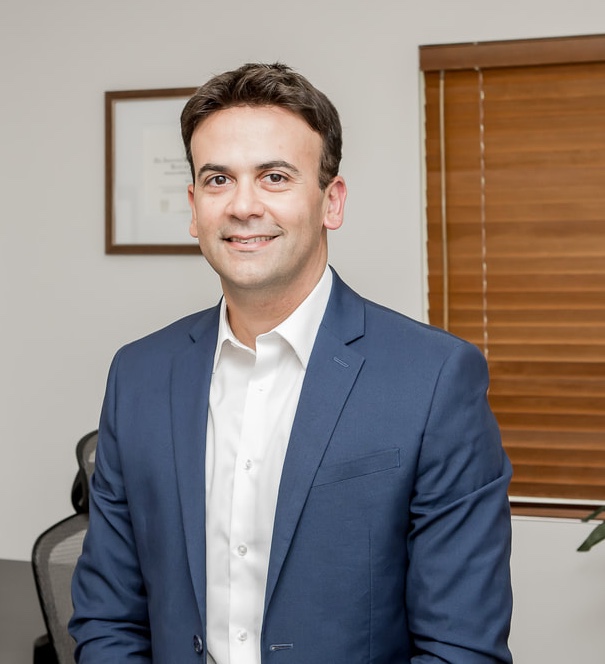
Dr. Hani Rayess is a double board-certified Facial plastic surgeon. He has a background in head and neck surgery, facial reconstruction after trauma and has published numerous articles in facial plastic and reconstructive surgery.
He approaches rhinoplasty with the precision of a reconstructive surgeon and the eye of an aesthetic specialist, focusing on natural refinement that fits your face and preserves what matters most: healthy breathing and strong nasal support. Every plan is built around your anatomy, skin thickness, and goals.
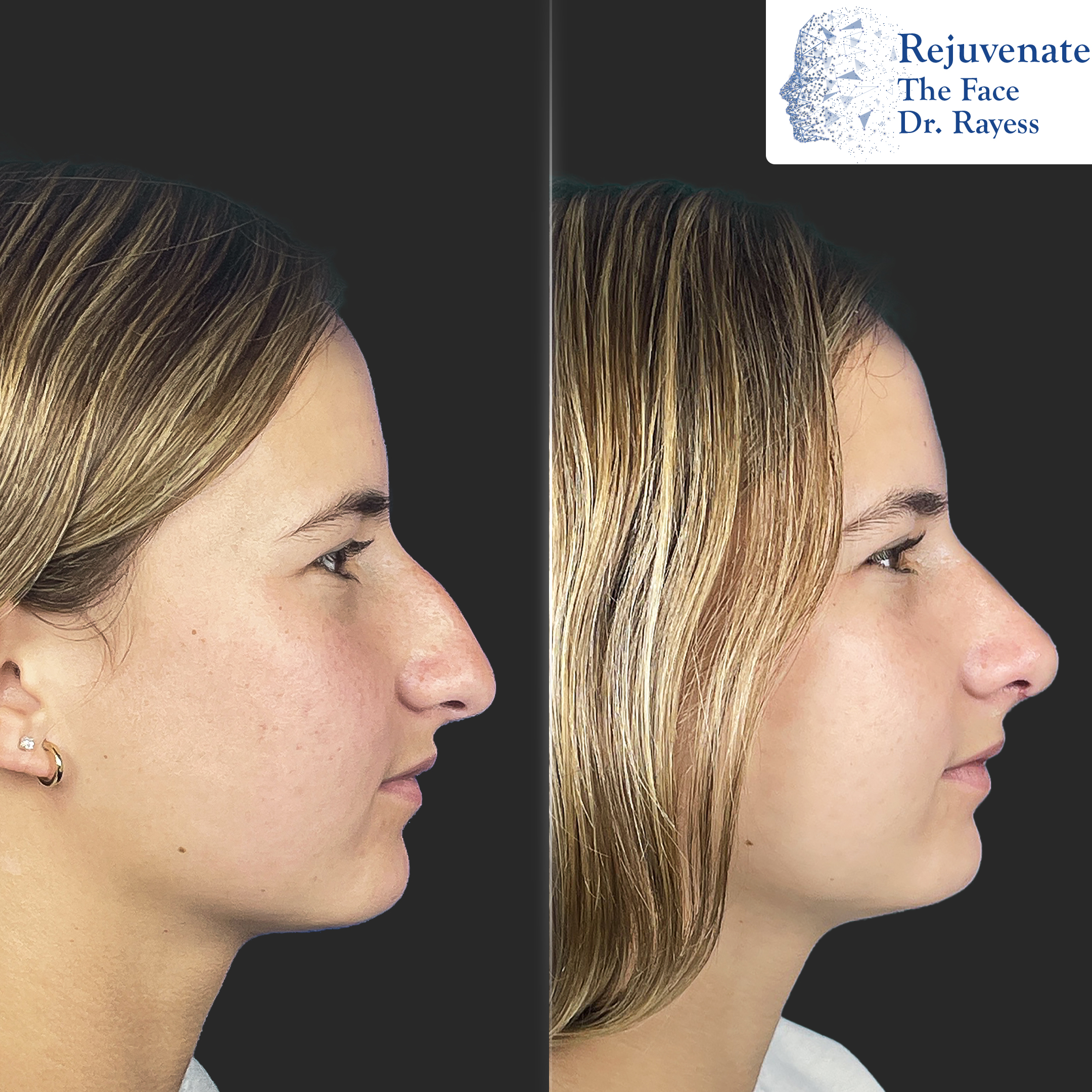
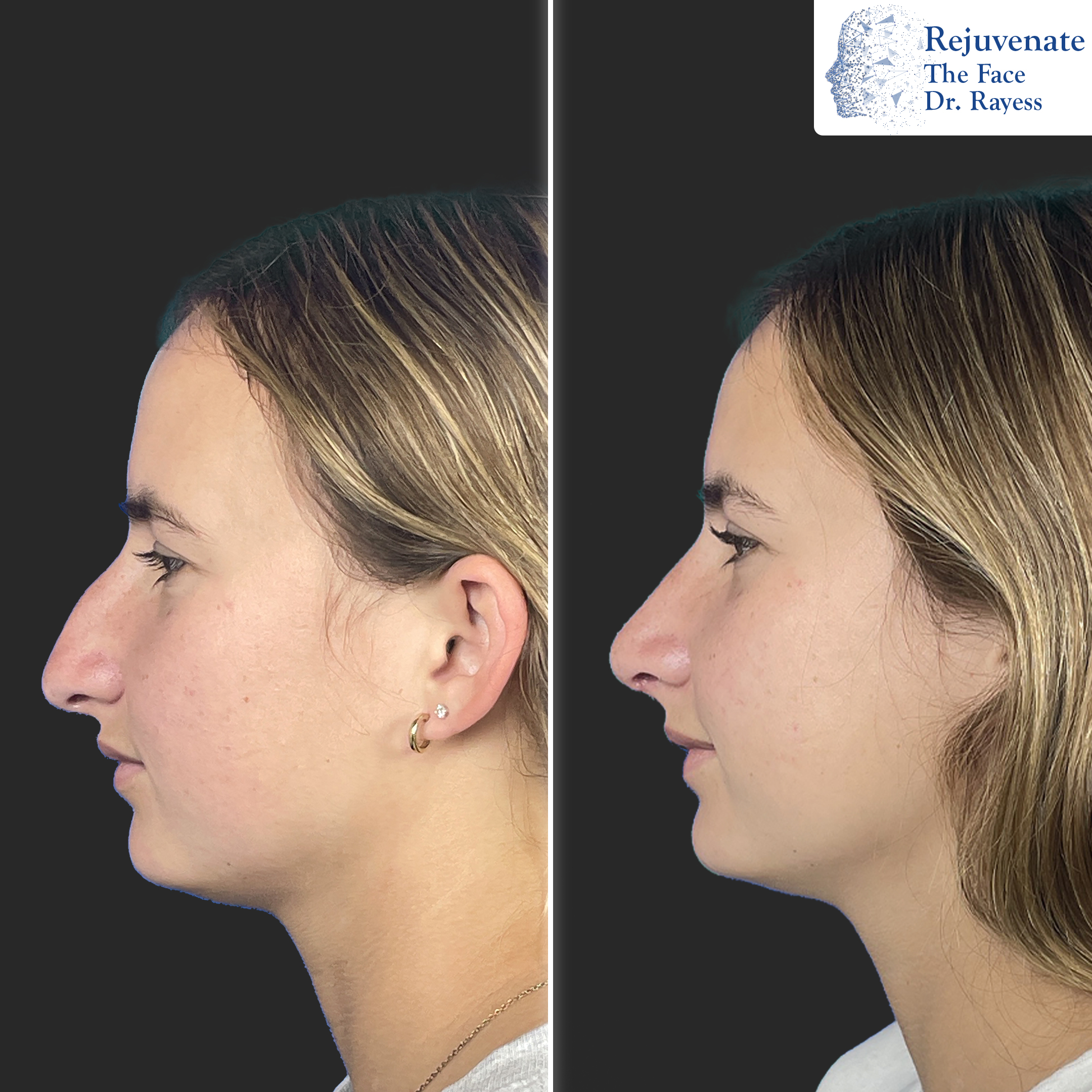
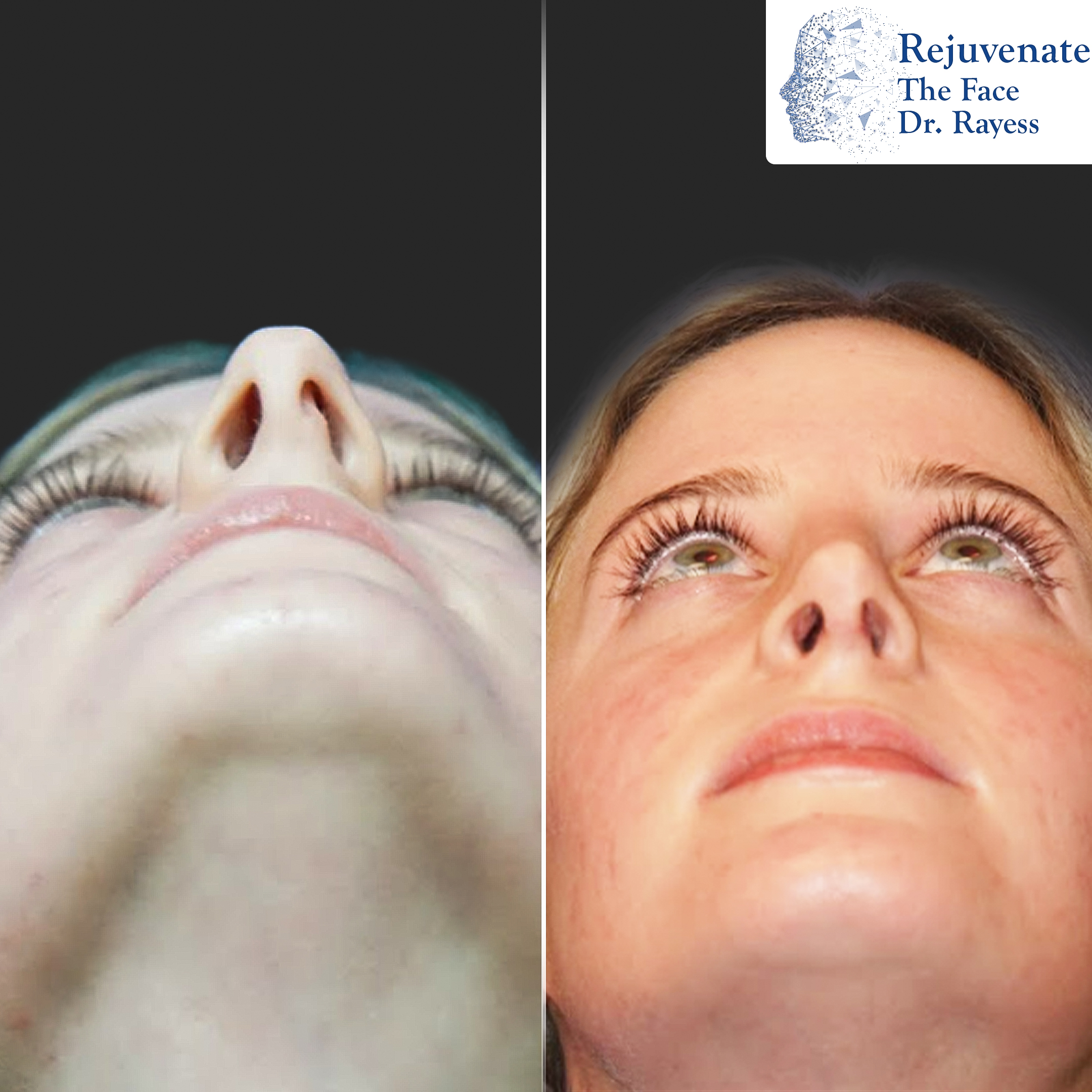
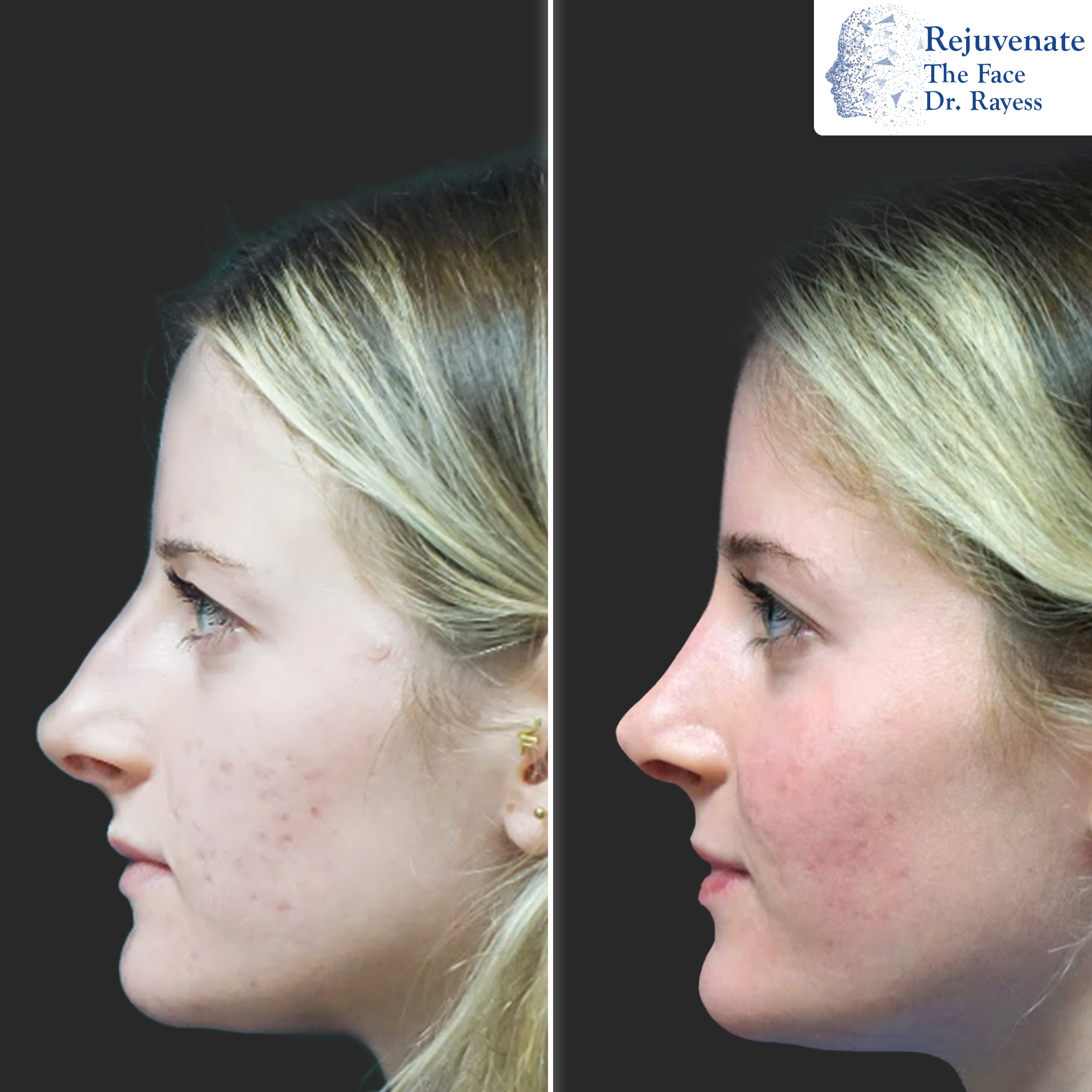
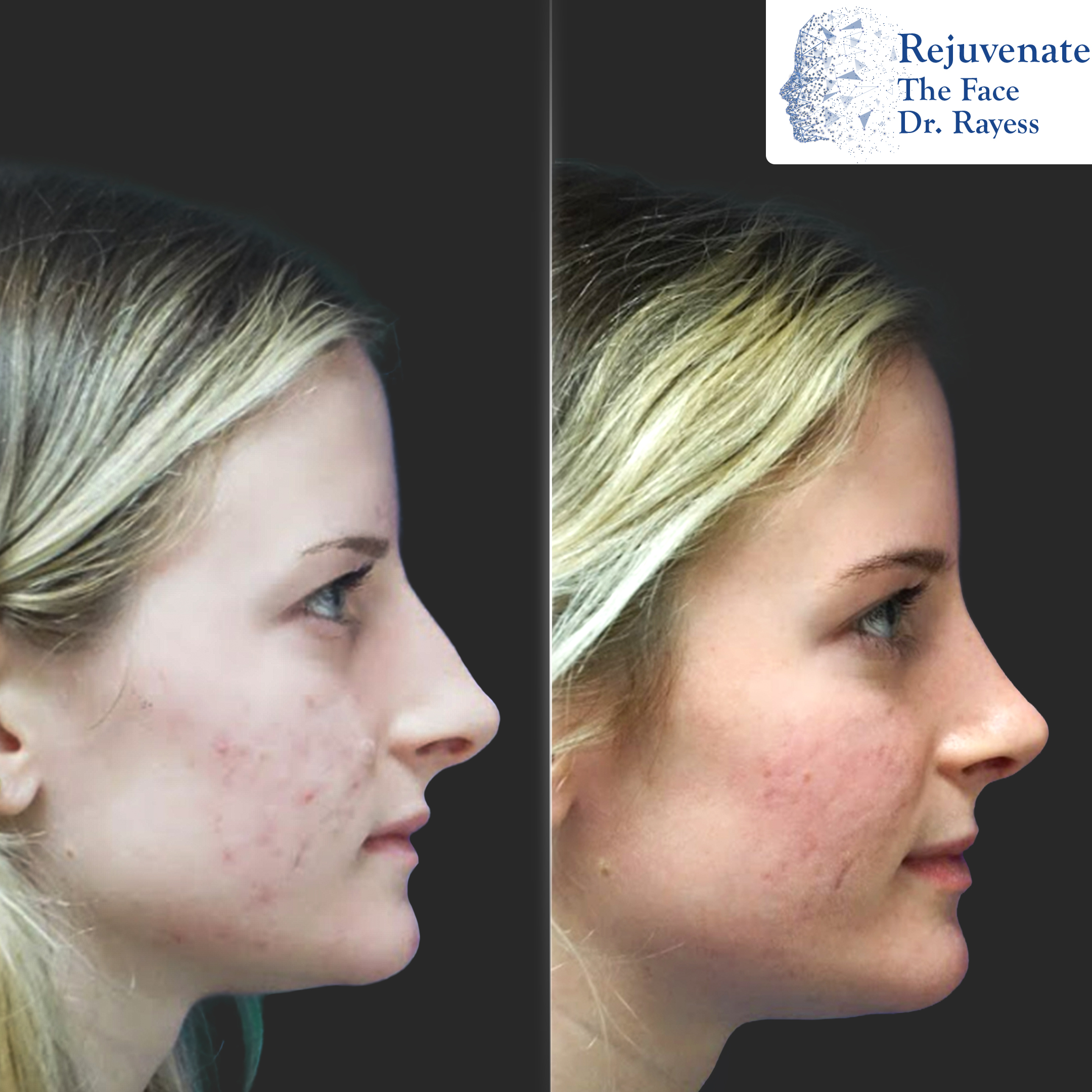
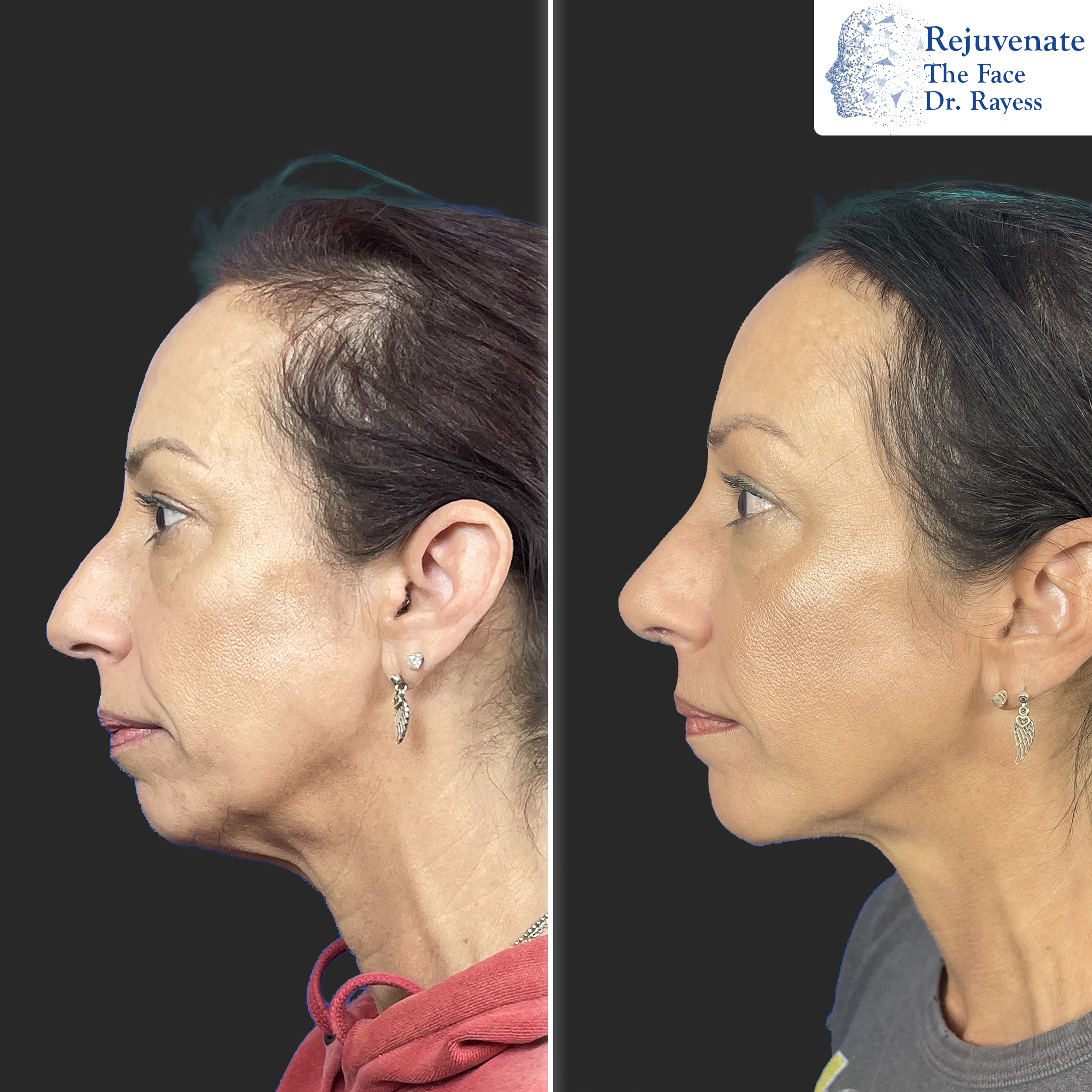
Rhinoplasty Before & After Results
Every nose is unique. Your plan is based on anatomy, skin thickness, and goals.
Patient video testimonials
See what our happy clients have to say.
Frequently Asked Questions
Answers guided by Dr. Rayess (double board-certified).
Am I a good candidate for rhinoplasty?
Good candidates have specific concerns about their nose appearance, realistic expectations, and are in good health. During your consultation, we take photos from multiple angles and discuss your top 3 concerns. Realistic planning is based on your unique anatomy and skin thickness.
How painful is a rhinoplasty?
Most patients find rhinoplasty not very painful and rarely use all prescribed pain medication. The primary discomfort comes from nasal congestion while splints are in place, rather than pain.
What is recovery like in week 1?
In week 1, you will have a cast on the nasal bones and splints inside the nose. Breathing is often difficult until the splints are removed around day 6-7. Some blood-tinged dripping is common for 2-3 days. Dr. Rayess typically sees you the next day to ensure healing is on track.
Open vs closed - which is better?
Neither approach is universally "better." Dr. Rayess chooses the approach that best fits your anatomy and goals. Open rhinoplasty includes a small 5-7 mm incision along the columella that typically heals well and allows better visualization, especially in revision cases. Closed rhinoplasty has incisions inside the nose and is appropriate for certain goals. Your consultation determines which approach is best for you.
What is the best age for rhinoplasty?
Rhinoplasty is commonly performed between ages 16-40, once facial growth is complete. Older patients may also choose rhinoplasty to address aging-related changes like a droopy tip.
Is there a perfect nose?
No. The goal is a nose that looks natural and harmonious with your facial features, not a standardized "perfect" nose. Dr. Rayess focuses on subtle refinement that preserves your ethnicity and facial balance.
How long does rhinoplasty last?
Most rhinoplasty results are permanent. However, around 10% of patients may need revision surgery. Full evaluation of results often requires waiting about a year as swelling gradually resolves.
What is a liquid (non-surgical) rhinoplasty?
Liquid rhinoplasty uses injectable filler to camouflage small defects. Results are temporary (typically 6-12 months) and the procedure can carry serious risks if filler is injected into vessels. If considering this option, choose an expert who understands nasal anatomy thoroughly.
Want a plan tailored to you?
Ask Dr. Rayess About Rhinoplasty
Consult with Dr. Rayess, double board-certified facial plastic surgeon.
Tell us what you want to improve and we will help you plan the best next step.
Double board-certified facial plastic surgeon
Personalized treatment planning
Clear pricing and recovery expectations
Dr. Rayess
Double board-certified facial plastic surgeon specializing in rhinoplasty and facial rejuvenation.
813-800-FACE
Tampa, Florida
© 2026 Rejuvenate the Face.Dr. Rayess. All rights reserved.